
Temporary Stabling for Private Yards: Creating Additional Stable Capacity
Temporary Stabling for Private Yards: Creating Additional Stable Capacity
Horse numbers on a yard rarely remain static. New arrivals, horses returning from training, youngstock coming through, or seasonal changes in workload can all place pressure on existing facilities.
Temporary stabling for private yards provides a practical way to introduce additional stable capacity when horse numbers change. When this happens, the challenge is not simply space. It is how to increase stable capacity in a way that works with the yard’s layout, daily routines, and welfare standards.
When designed and installed correctly, temporary stabling allows yards to introduce additional capacity without compromising the environments horses rely on. Long-term temporary stable hire is increasingly used by private yards as a practical way to expand facilities when horse numbers change.
Working With the Space Available
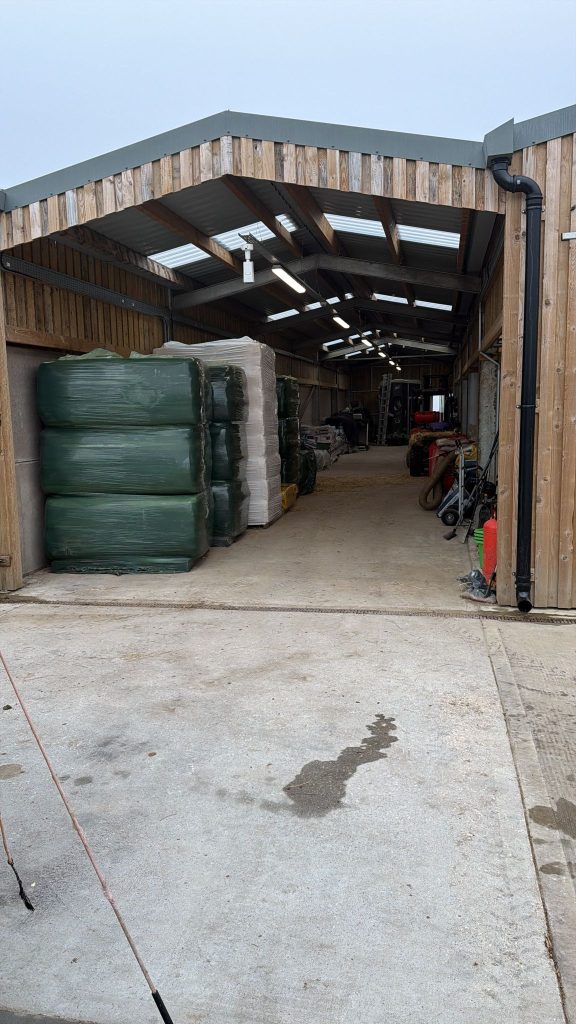
In some cases, existing buildings provide an effective starting point. Agricultural barns, storage buildings, and other structures can often be adapted to accommodate temporary stables while providing shelter and protection from the elements.
Recently, Woodhouse completed an installation for a yard facing exactly this situation.
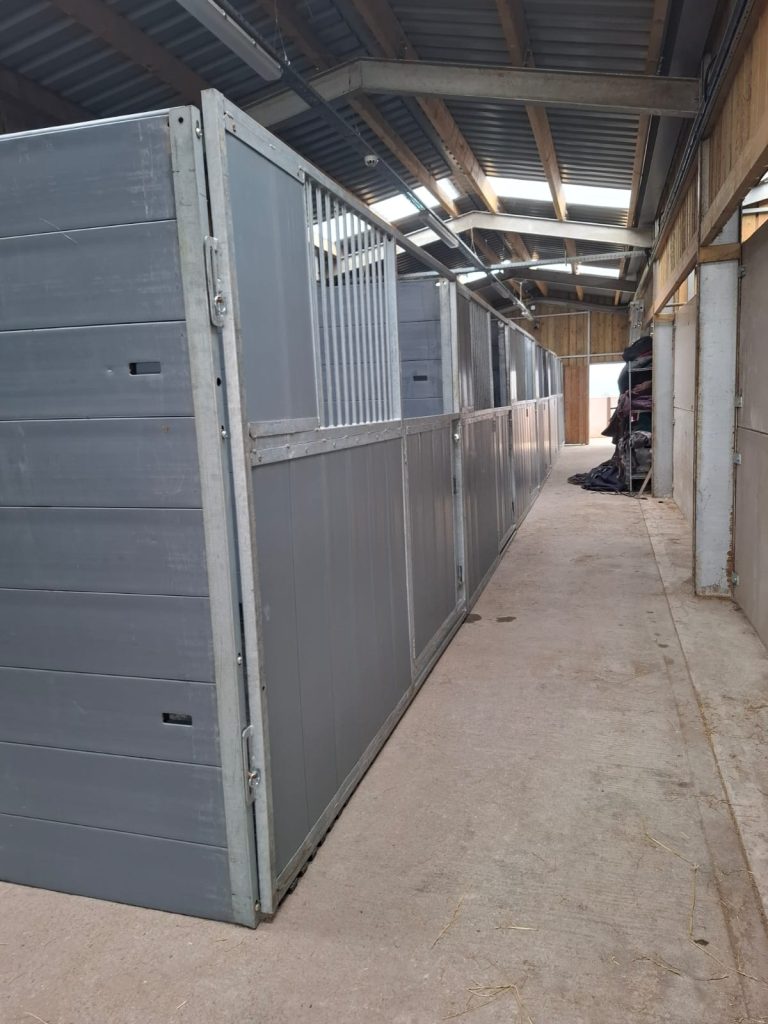
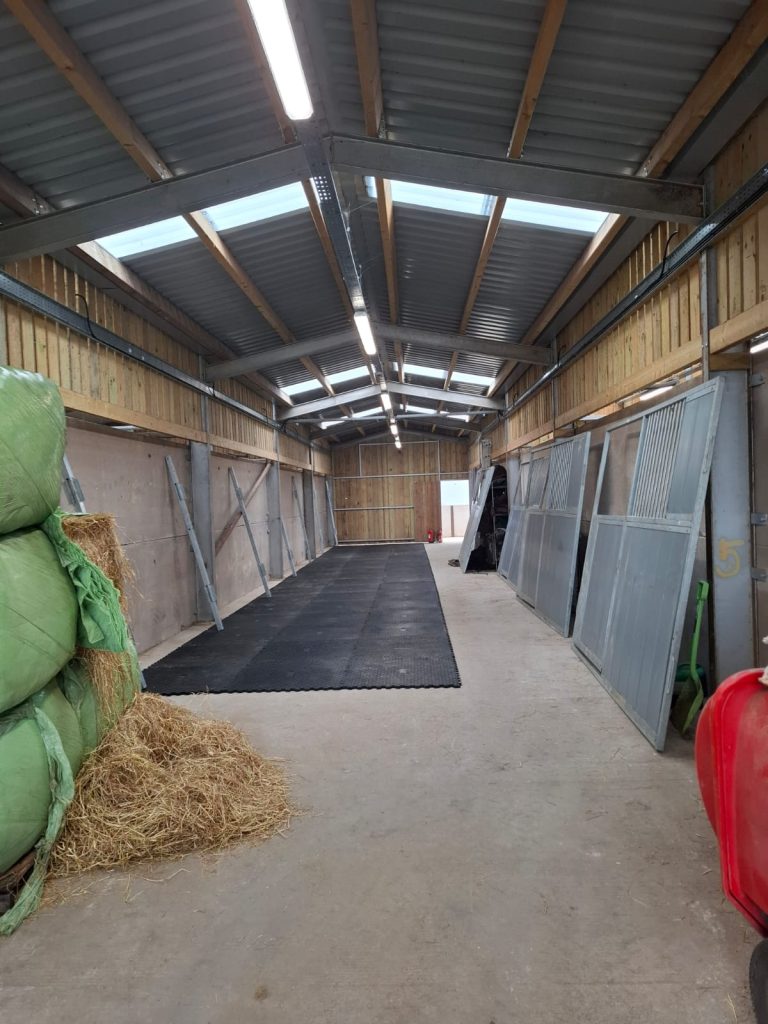
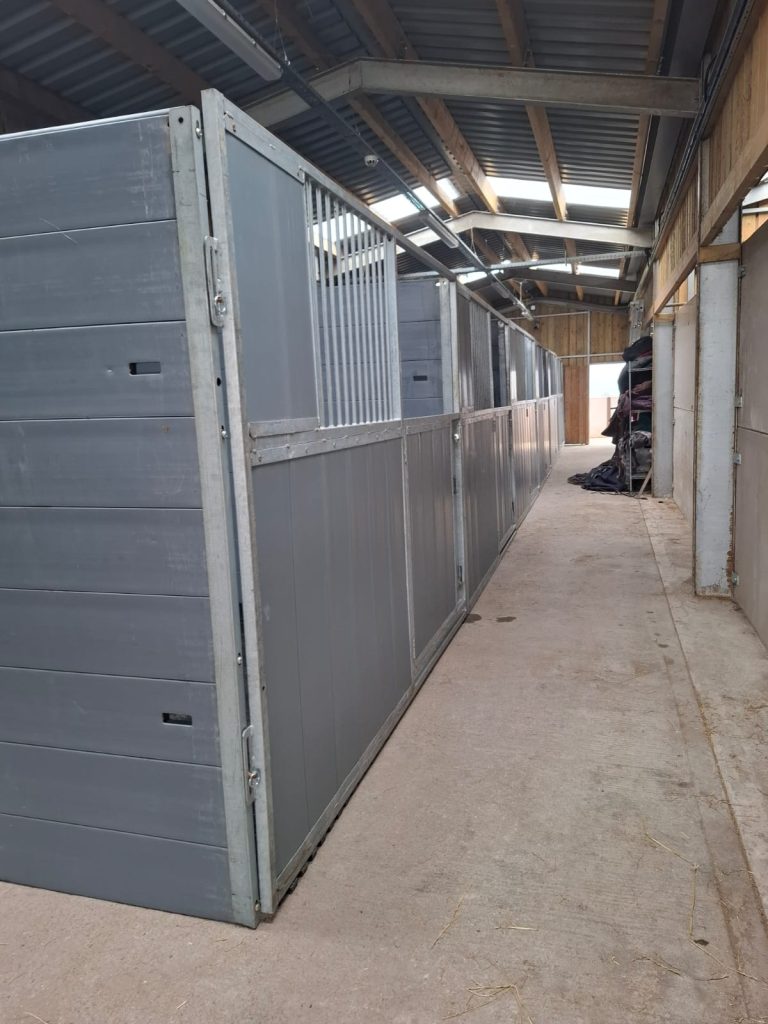
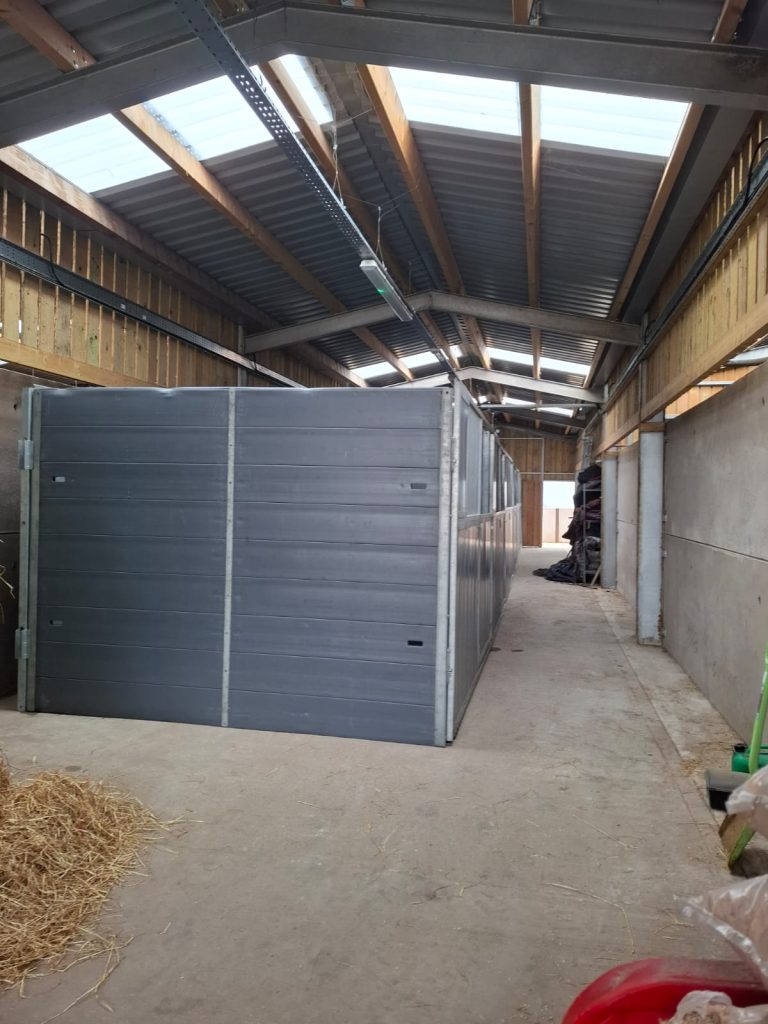
An unexpected increase in horses on site meant additional stabling was required at short notice. Rather than constructing new facilities, the solution came from adapting an existing barn that had previously been used for storage.
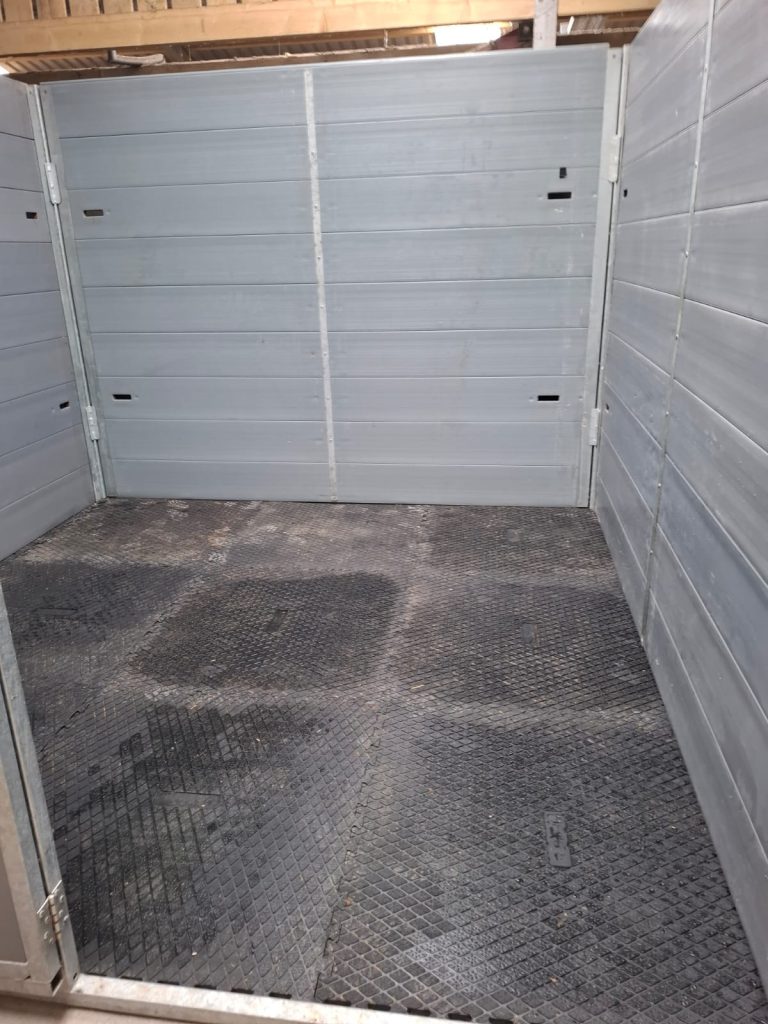
Once the team cleared and prepared the space, they installed six stables within the building, complete with rubber matting.
However, existing buildings are not always necessary. Temporary stables can also be installed externally using roof systems or barn-style layouts, allowing yards to create additional capacity even where no suitable building is available.
Temporary Stabling Beyond Events
Many people associate temporary stabling with major equestrian events and race meetings, where large numbers of horses must be accommodated safely for short periods.
Yet the same structures are increasingly used within private yards for very different reasons. Renovation work, seasonal pressures, and changes in horse numbers can all require additional stable capacity.
When designed and installed properly, temporary stables provide robust environments that support horse welfare while allowing yards to adapt to changing circumstances.
Hygiene and Biosecurity
Preparing stable environments properly before horses move in is an essential step in protecting equine health.
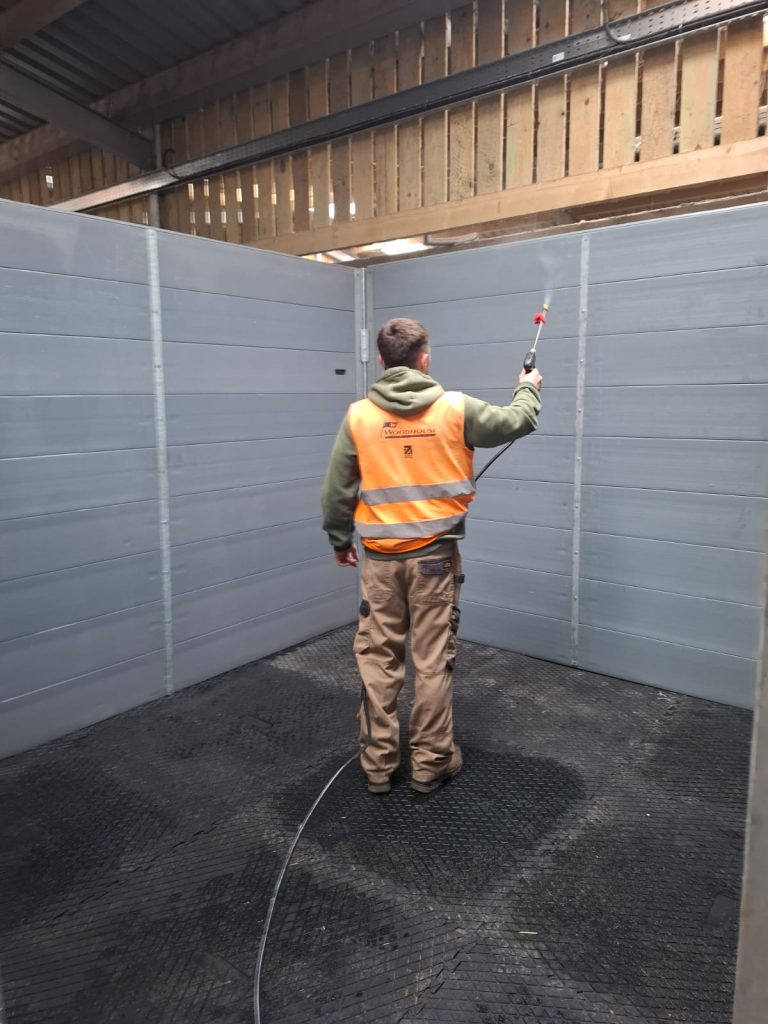
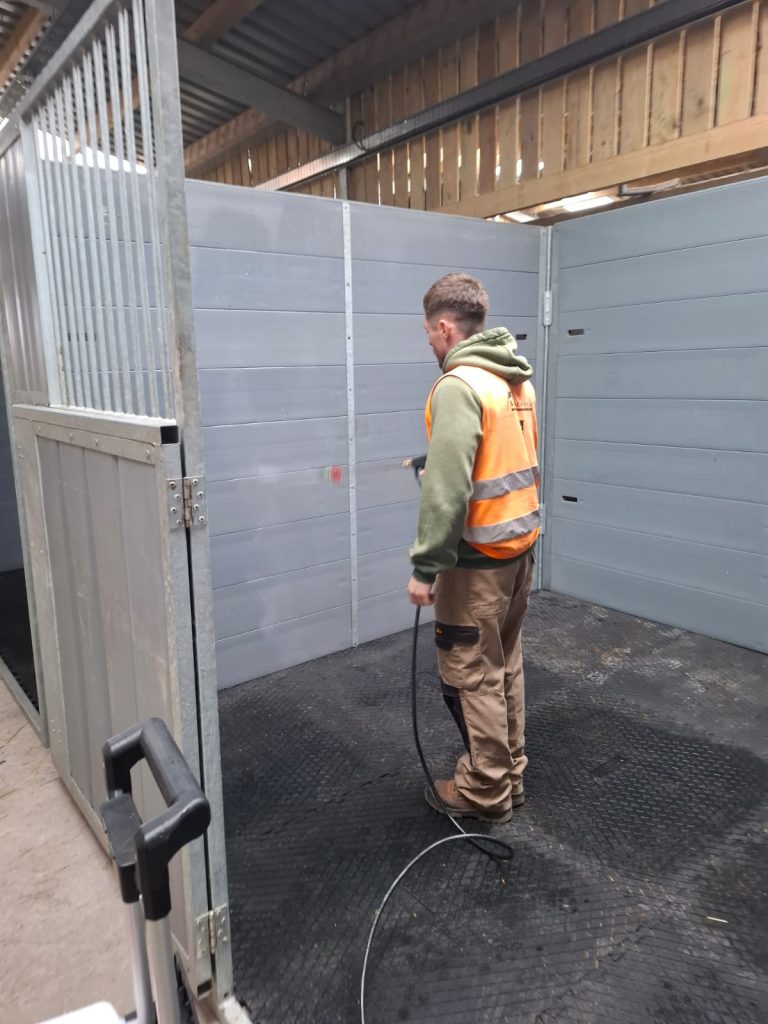
After installation, the team treated the entire stable block using Equine Bio Genie disinfectant, ensuring the environment was disinfected before horses entered the space.
Within Woodhouse installations, disinfection is now integrated into the handover process so that newly installed or newly adapted stabling environments begin their use clean, safe and ready for horses.
Flexible Capacity for Changing Yards
Every yard experiences periods when existing facilities are stretched. Changes in horse numbers, seasonal pressures, or operational adjustments can all create situations where additional stabling is needed.
Temporary stabling does not replace permanent infrastructure. Instead, it complements it, providing adaptable capacity when yards need to respond while maintaining consistent welfare standards.
When designed and installed with care, temporary stables allow yards to adapt without compromising the environments horses depend on.
“Temporary stabling isn’t just for events.
It gives yards a practical way to increase capacity quickly while maintaining the welfare standards horses rely on.”
Dan Hassall, Managing Director, Woodhouse
Further reading and resources
For further insight into how stable design supports horse welfare:
- Temporary Stables, Permanent Welfare
- Beyond Events – The Case for Long Term Temporary Stables
- British Horse Society (BHS) – Equine Disease Prevention
- British Equine Veterinary Association (BEVA) – Infection Control Resources