
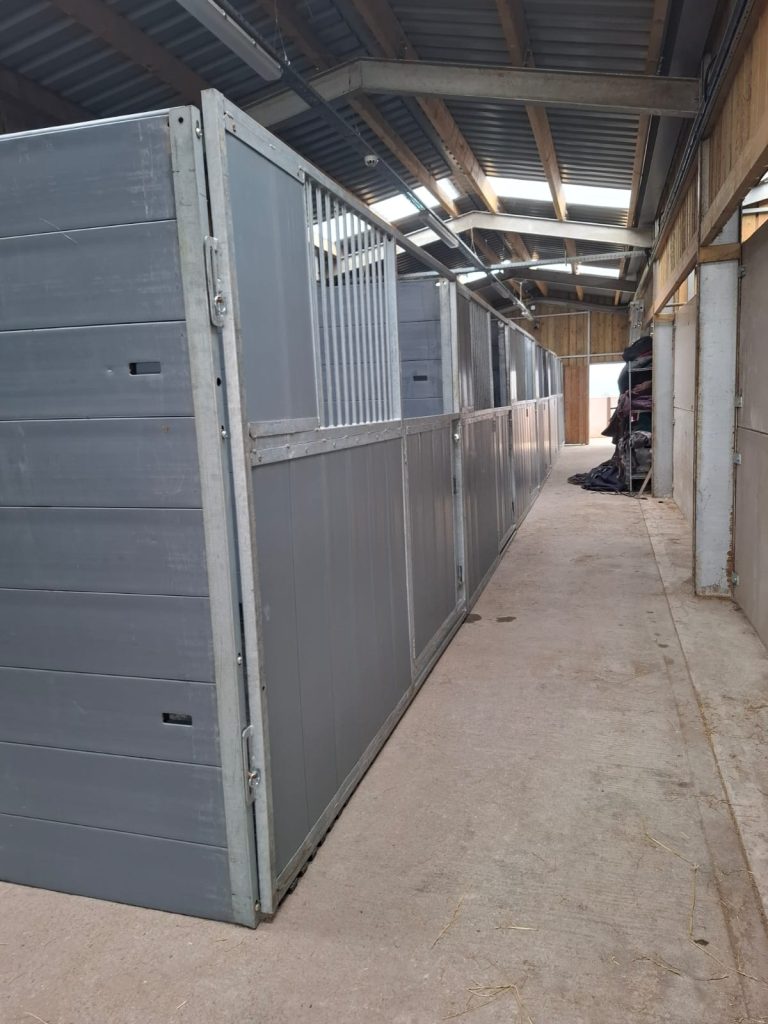
Planning Temporary Event Infrastructure: How Early Decisions Shape Successful Events
Planning Temporary Event Infrastructure: How Early Decisions Shape Successful Events
Across equestrian, countryside and other public events, temporary event infrastructure planning shapes the environments participants and visitors experience long before the first structure is installed.
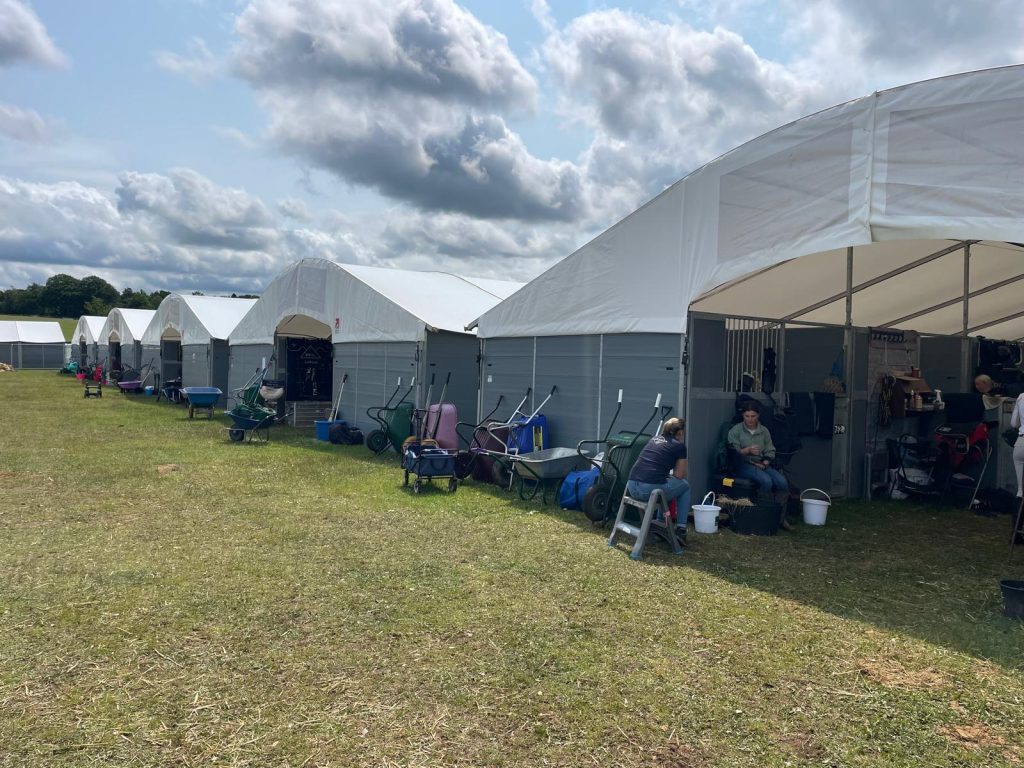
Temporary event infrastructure planning plays a central role in how effectively an event site operates once it is live. Stable areas, trade stands, food walks, access routes and service infrastructure all need to work together once horses, exhibitors and visitors arrive.
When planners consider these elements early in the planning process, sites tend to function far more effectively. When they are not, pressure can appear later during the build or, worse still, during the live event itself.
Over many years working across equestrian events, countryside and agricultural shows and large public gatherings, we have seen how consistently early planning decisions influence how temporary environments perform once sites are in use. Details that appear minor during planning often become highly visible once horses, exhibitors and visitors arrive.
What Temporary Event Infrastructure Planning Affects
Many of the pressures that appear during live events can be traced back to decisions made months earlier.
Stable areas need space not just for horses, but also for the people working around them. Grooms require room to tack up, lead horses safely and manage equipment. Wash areas need reliable water access and safe surfaces. Vehicle routes must allow deliveries while maintaining safe pedestrian movement.
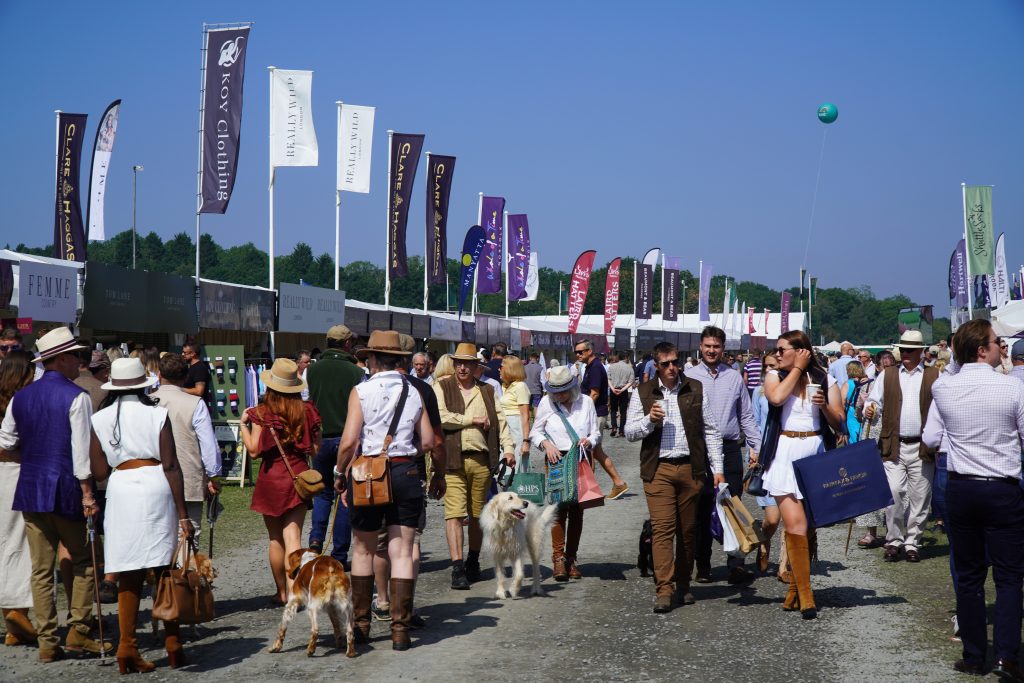
Trade stand environments create similar demands. Exhibitors need clear access during build and removal, while organisers must ensure visitor circulation works well once crowds arrive.
When these elements are considered early, they become part of a coherent layout rather than something that must be solved on site.
Reducing Pressure During Live Operation
One of the clearest benefits of early planning is the reduction of last minute decisions during the build and live event.
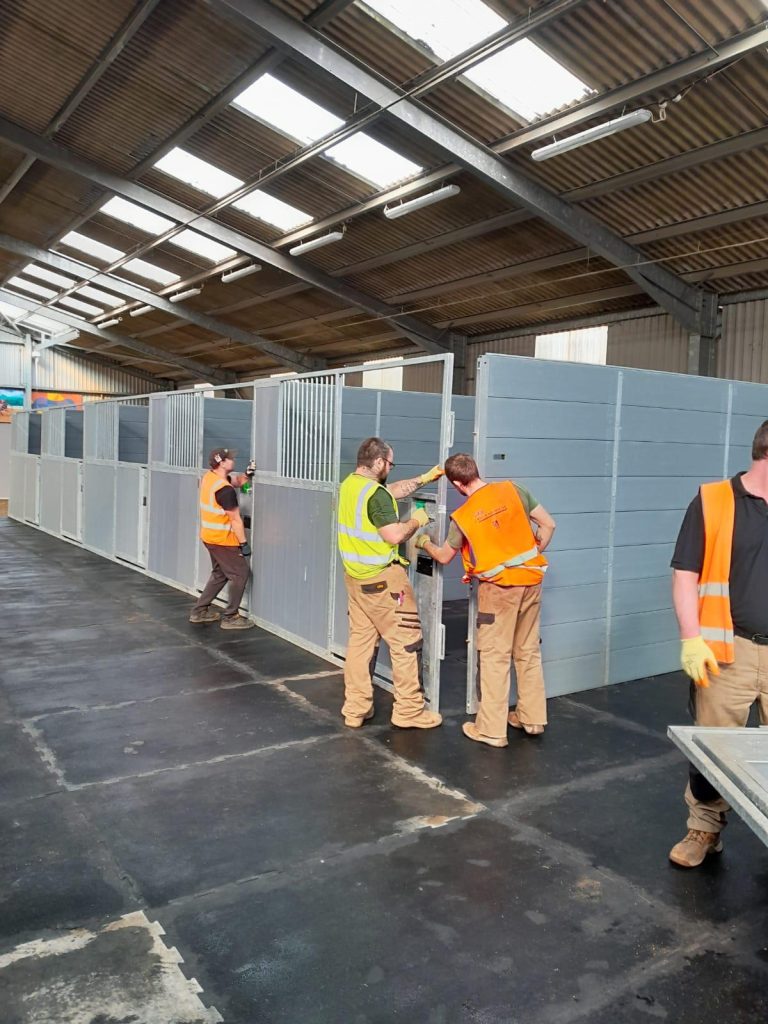
Temporary structures are often installed to tight schedules, particularly at large events where multiple suppliers are working at the same time. Many venues also host several different events across the year, which means infrastructure must work within fixed site layouts and limited build windows.
When layouts and infrastructure requirements have been considered in advance, teams can focus on delivery rather than resolving avoidable complications.
For organisers and venue teams, this creates greater confidence once the event opens. Working environments are clearer, circulation routes function more effectively and the site operates with fewer unexpected challenges.
Planning Temporary Stable Areas With Horses in Mind
In equestrian settings, temporary stable areas require particularly careful planning.
Stable positioning influences ventilation, working space and how horses move between stables, arenas and wash areas. Access routes must allow horses to be led safely, while surfaces underfoot need to provide reliable grip in areas that will see heavy use throughout the event.
For events accommodating large numbers of horses, temporary stable hire must be carefully integrated into site planning. Temporary stables, sometimes referred to as portable stables, provide the flexibility needed for events but still require the same attention to layout, access and welfare as permanent facilities.
These factors affect both welfare and day-to-day practicality. Once our teams install and horses arrive on site, adjustments become far more difficult.
Addressing these considerations during the planning stage helps ensure the environment supports both horses and the people managing them. If you are planning facilities for an event environment, you can also learn more about temporary stable hire here.
For a closer look at how stable design supports equine welfare, see our article Temporary Stables, Permanent Welfare.
Why Planning Matters for Exhibitors and Suppliers
Planning decisions made early in the process affect not only organisers but also the exhibitors and suppliers who bring an event to life.
Trade stand exhibitors rely on clear information about stand layouts, access routes, vehicle movement and build schedules well before arrival on site. When organisers provide this information early, exhibitors can plan more effectively, from stand preparation through to logistics and staffing.
Digital tools increasingly support this process. The Woodhouse event portal allows exhibitors to review their trade stand configuration and submit orders for accessories and additional items in advance. These orders feed directly into our build plans so that everything is prepared and installed before exhibitors arrive on site to set up their displays.
For exhibitors, this removes uncertainty on arrival and allows them to focus on preparing their stand and presenting their products. For organisers and suppliers, it also helps create a more coordinated build process across the event site.
You can learn more about how trade stand structures and layouts support exhibitors here.
Temporary Infrastructure as Part of Event Design
Temporary infrastructure is sometimes treated purely as a logistical requirement. In reality it forms a significant part of how an event functions.
Stable areas shape the experience of competitors and grooms. Trade stand environments influence how visitors move through the site and play an important role in the commercial success of exhibitors displaying and selling their products. Access routes determine how easily equipment, horses and supplies move throughout the event.
When infrastructure is considered as part of event planning from the beginning, these environments support one another rather than competing for space.
Planning Ahead
Expectations around temporary environments continue to rise across equestrian and live events. Organisers, competitors and visitors expect facilities that function reliably and safely from the moment sites open.
In equestrian environments these expectations are closely linked to horse welfare and to the wider responsibility the industry carries to maintain consistently high standards of care and safety.
Meeting those expectations begins long before the build phase. It starts with early conversations about layout, access, infrastructure and how the site will operate once people and horses arrive.
When organisers make these decisions early, temporary infrastructure becomes more than a practical necessity. It becomes part of how successful events are designed.

“Temporary infrastructure performs best when it is considered as part of the event design from the beginning,
not added once layouts are already fixed.”
Dan Hassall, Managing Director, Woodhouse
Further reading and resources
For more insight into temporary stabling, planning and horse welfare, the following resources may be useful:
- Temporary Stables, Permanent Welfare: How Design Impacts Equine Health
Explores how stable design influences ventilation, hygiene and recovery for horses. - Beyond Events – The Case for Long Term Temporary Stables
Explores how stable design influences ventilation, hygiene and recovery for horses. - Temporary Stable Hire
Information on how Woodhouse temporary stables support equestrian events, venues and private yards. - British Horse Society (BHS) – Equine Disease Prevention
- British Equine Veterinary Association (BEVA) – Infection Control Resources