

National Strangles Awareness Week: Why Temporary Stabling Now Carries Greater Welfare Responsibility
Last year, during National Strangles Awareness Week, we published a piece exploring how temporary stabling, horse welfare and stable design all contribute towards stronger biosecurity standards when horses come together at events, yards and temporary facilities.
Recent reporting linked to National Strangles Awareness Week highlighted a significant rise in UK laboratory-confirmed strangles cases, while governing bodies and welfare organisations continue placing greater emphasis on prevention, preparation and responsible horse management. For temporary stabling providers, that wider shift carries particular responsibility ( Redwings National Strangles Awareness Week).
At the same time, expectations around temporary stabling and horse welfare are changing. Riders, grooms, veterinarians, owners and organisers now rightly expect temporary environments to support standards much closer to those associated with permanent yards and home facilities, particularly in busy settings where unfamiliar horses mix over sustained periods.
Expectations Around Temporary Stabling and Horse Welfare Are Changing
Temporary stabling now plays a much more active role in supporting horse welfare throughout the competition and event season. For many horses, these environments form part of their working and recovery routine throughout the competition and event season.
Competition horses regularly travel between events, training venues and temporary facilities, often spending prolonged periods away from home. As a result, the standard of the stable environment itself now plays a much greater role in supporting horse welfare, practical day-to-day management and prevention standards throughout a horse’s stay.
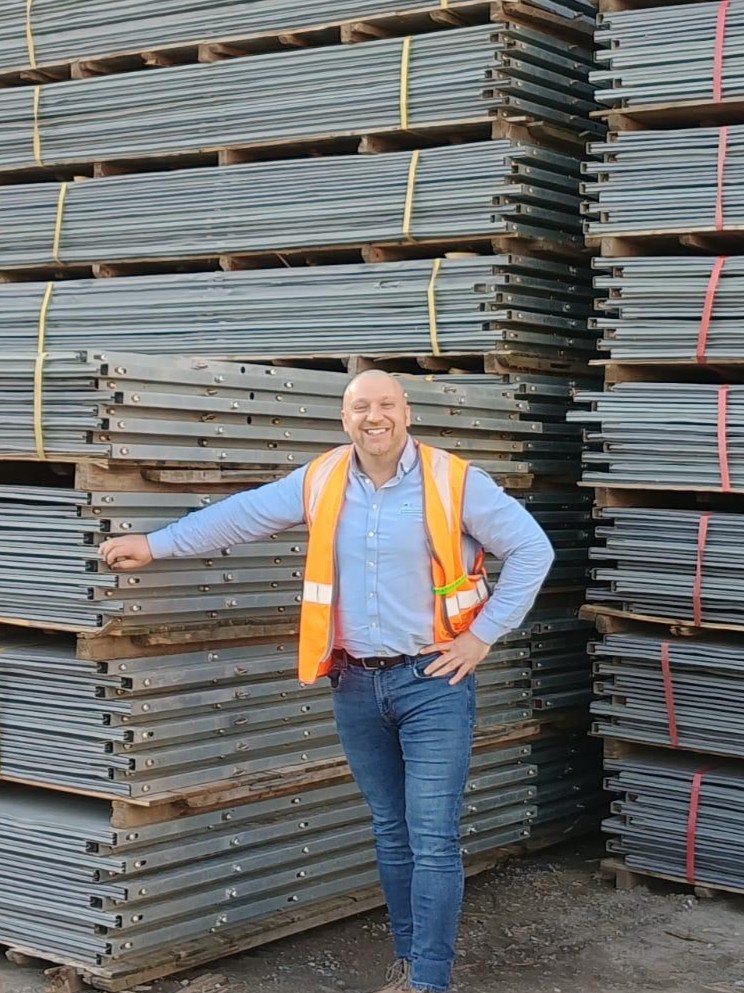
“At major events now, riders, grooms and organisers expect temporary stabling to actively support horse welfare, not simply provide somewhere for horses to stay. That expectation influences everything we do, from stable layout and airflow through to preparation standards and day-to-day practicality for the teams caring for the horses.”
Dan Hassall, Managing Director, Woodhouse
This broader change in expectation is also influencing how prevention is approached within equestrian environments.
Prevention Now Extends Beyond Protocols Alone
Historically, infectious disease prevention has focused heavily on procedures implemented around the horse, including temperature checks, movement restrictions, isolation protocols and disinfectant procedures. Those measures remain as important as ever. However, there is increasing recognition that the stable environment itself also contributes to prevention standards within busy equestrian settings.
Ventilation, stable zoning, horse-to-horse separation, material selection, operational flow and cleaning standards all influence how effectively welfare and biosecurity can be maintained where large numbers of horses are stabled together. Guidance from organisations including the FEI, British Horse Society and British Equestrian increasingly reflects this more layered approach to prevention and horse management (Source: FEI Biosecurity Resources)
Designing Temporary Stabling Around Welfare and Prevention
That guidance directly influences how we continue developing our temporary stabling systems and preparation processes.
Our role is not simply to install temporary horse stables, but to help create environments that support horse welfare, practical management and operational consistency throughout the horse’s stay.
This starts long before horses arrive on site. Planning and coordination between Woodhouse, organisers and venue teams play an important role in supporting welfare and prevention standards from the outset. Stable zoning, site layout, preparation sequencing and operational planning all contribute towards creating environments that function effectively for horses, riders, grooms, veterinarians and support teams throughout an event or long-term stay.
The stable design itself also plays an important role. Natural airflow remains central to our stable systems, particularly within high-density equestrian environments where horses may remain stabled for prolonged periods. Solid partitions help reduce unnecessary horse-to-horse contact and support calmer day-to-day management, while smooth, non-porous materials allow for more effective cleaning and preparation between uses.
Calm, well-prepared and practically managed environments not only support horse welfare and recovery, but also help good prevention practices remain practical and consistent for the people caring for the horses every day.
Why Preparation Standards Matter
One of the most significant developments within our own approach has been how we manage stable preparation following installation.
Through our partnership with Equine BIO Genie, disinfection is now embedded as a standard procedure within our stable preparation process. Rather than disinfecting only when requested, Woodhouse temporary stables are disinfected using Equine BIO Genie products as part of our wider welfare-led approach to stable readiness before horses arrive on site. For us, that is non-negotiable.
“Effective biosecurity is about consistency and preparation. The stable environment, cleaning protocols and operational processes surrounding the horse all contribute towards reducing risk.”
Equine BIO Genie
Importantly, no single measure eliminates risk on its own. Effective infectious disease prevention depends on several layers working together, including stable layout, airflow, separation, preparation standards, operational management and responsible horse care practices.
Temporary Stabling Should Never Mean Temporary Standards
This approach continues to shape product development across our stable systems. Ventilation remains a major focus within temporary environments designed for prolonged occupancy and repeated seasonal use. Material selection is equally important, particularly where smooth, non-porous surfaces are needed to support consistent cleaning and preparation standards between users and events.
Our stable mat development has also formed part of this wider welfare focus. Alongside comfort and grip, drainage, moisture management and ease of cleaning have become increasingly important considerations within temporary stable systems used repeatedly throughout the season.
Together, these decisions reflect a broader belief that temporary stabling should never mean temporary standards. This principle applies not only at international competitions, but equally within long-term hire environments, private yards, breeding operations and rehabilitation settings where temporary stabling forms part of the horse’s day-to-day environment for extended periods of time.
National Strangles Awareness Week continues to play an important role in encouraging conversations around prevention, responsibility and horse welfare across the equestrian sector. Increasingly, these conversations also include the role that temporary environments themselves play in supporting better outcomes for horses.
While no stable environment can eliminate risk entirely, well-designed, well-prepared and carefully managed temporary stabling can play an important role in supporting safer, healthier environments for horses, both at home and at events.